Okinawa on a plate: street snacks, markets and everyday food
What people in Okinawa eat on the go, at market stands and at the table: what each food is, where it comes from, and how it is usually eaten. One easy recipe to try at home.
Start with Sata AndagiSee what to eat firstMost ingredients are easy to find in US grocery stores. The recipe lists simple swaps.
 AI-generated illustration
Start here
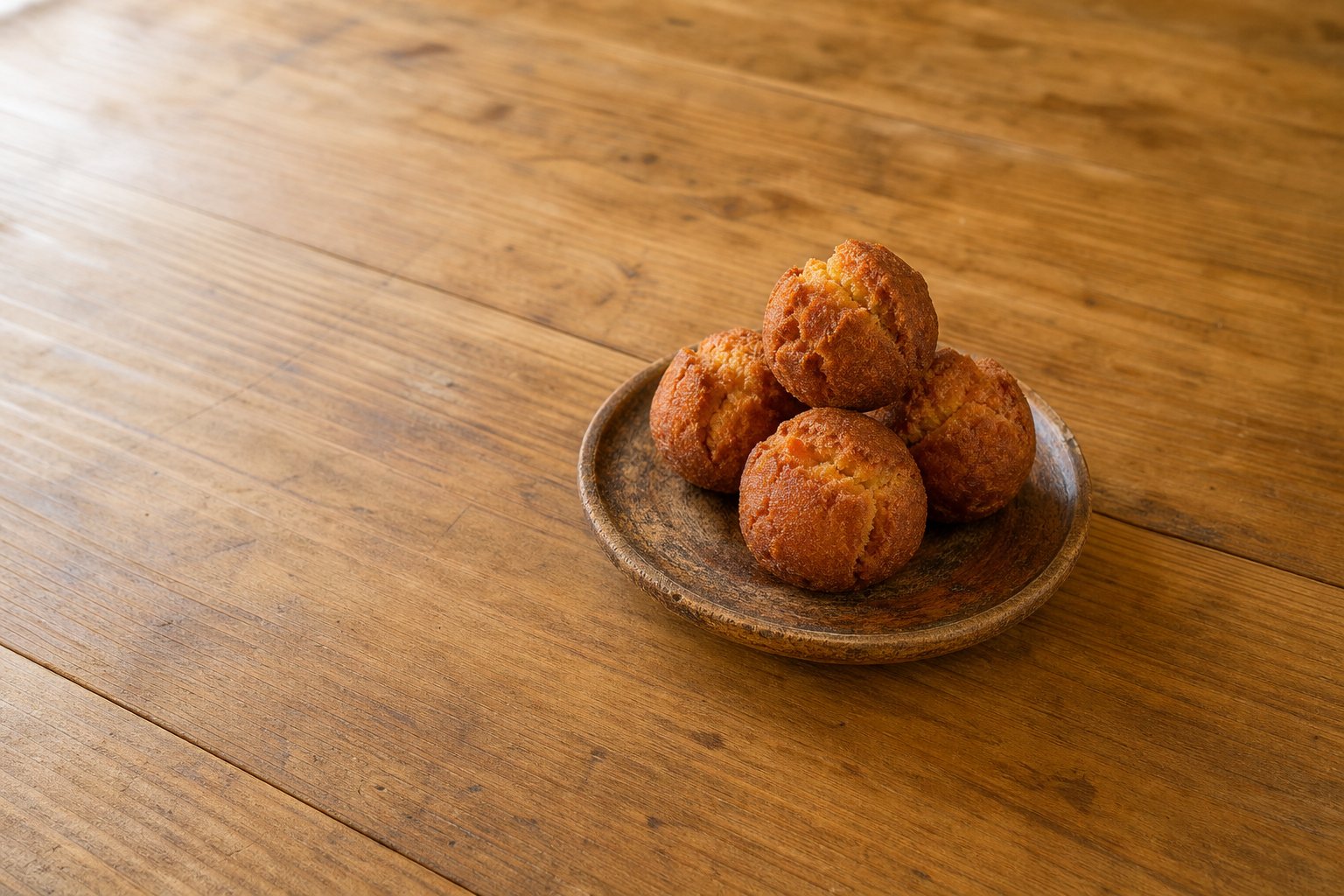
AI-generated illustrationFried sugar dough balls that crack open as they cook. A market-stand favorite, with an easy recipe. AI-generated illustration, not a photo of a real dish.
 AI-generated illustration
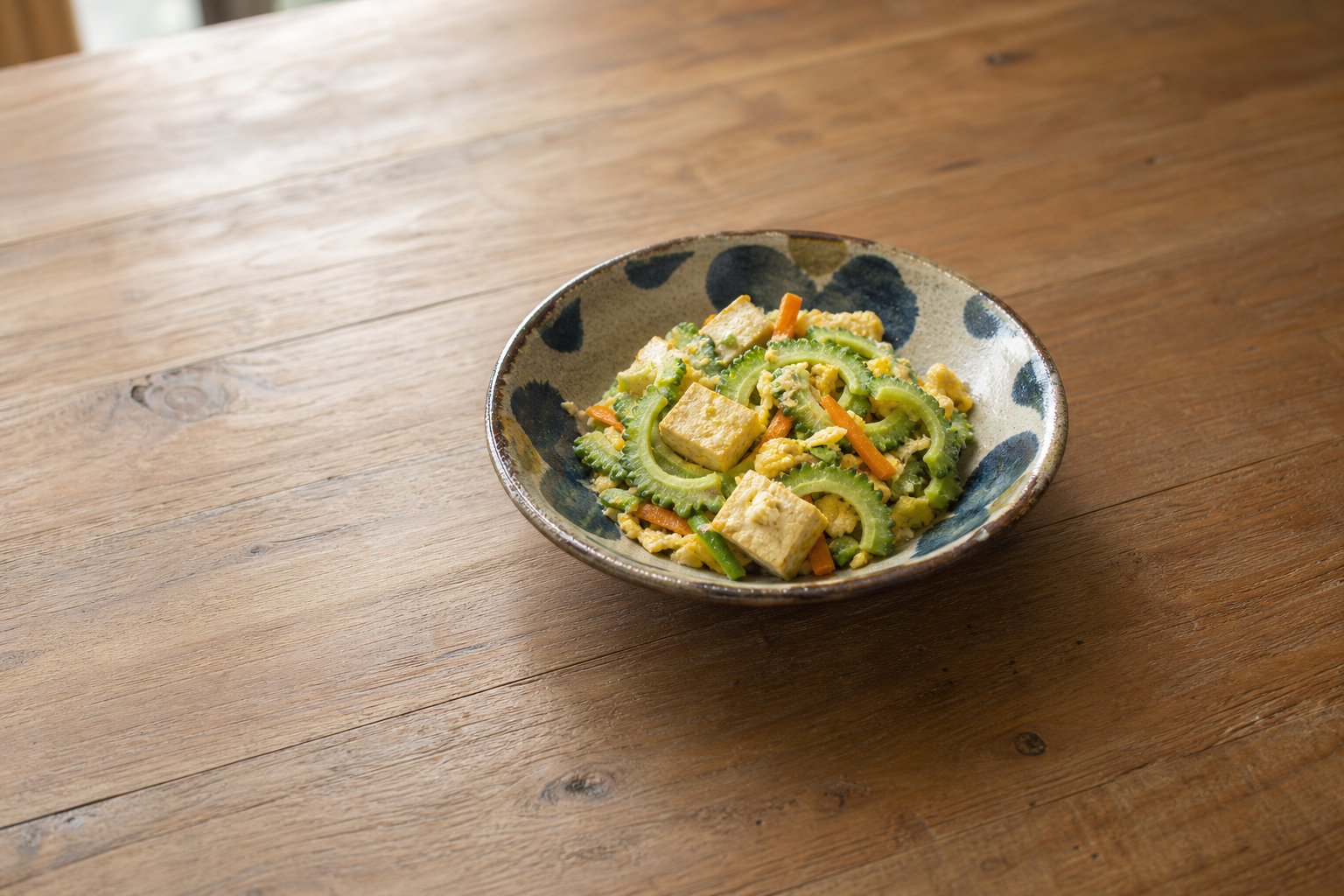
An everyday plate, often part of a set meal. AI-generated illustration, not a photo of a real dish.
Allergens can vary by brand — check the labels. The nine major US allergens are egg, milk, wheat, soy, fish, crustacean shellfish, tree nuts, peanuts and sesame.
What to look for
Street snacks
Sata andagi, sweet potato treats and other things you eat by hand.
Market stands
Pork, tofu, bitter melon and fresh produce are everyday market goods in Okinawa.
Everyday plates
Champuru stir-fries, noodles and set meals that make up ordinary lunches.
About this site
Okinawa's food culture is sometimes talked about as part of a long-lived way of life, often under the name "Blue Zones." This site sticks to food and everyday customs: what people eat, where it comes from, and how it is eaten. It is not health advice.
Useful in the kitchen
Helps keep the oil at 320°F for sata andagi.